
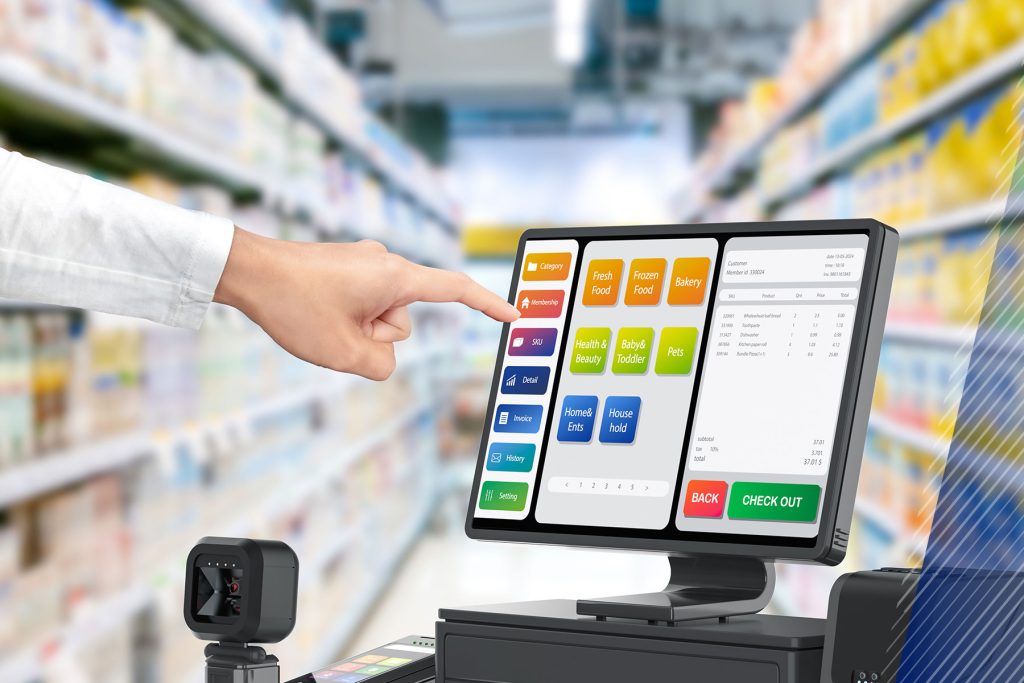
Choosing the best payment processor for your small business is more important than ever. Today’s shoppers expect fast, secure, and flexible payment options, ranging from credit cards to mobile e-wallets. Selecting the best processor ensures you can meet these expectations while improving your cash flow, boosting efficiency, and supporting your store’s growth.
Why Choosing the Best Payment Processor Is Essential for Small Business Owners
In today’s customer-centric retail world, accepting electronic payments isn’t just a nice perk — it’s essential. Shoppers expect quick, flexible checkout options, whether they’re shopping in-store, online, or on their phones. No matter how big or small your business is, making it easy for customers to pay goes a long way in delivering a smooth, modern shopping experience.
That includes accepting a wide range of payment options, from credit and debit cards to mobile wallets like Apple Pay and PayPal, and even SNAP EBT cards in some areas. With cash usage dropping to just 12% of in-store transactions in 2024, customers are clearly leaning into convenience. Meeting that demand means offering the payment options they know and trust.
Which is why one of the most important decisions for small retailers is selecting the right payment processor. The right one can support multiple payment methods, streamline your operations, and help you deliver the experience today’s shoppers expect.
Let’s take a deeper look at payment processors and how to choose one that’s right for your business.
What Is a Payment Processor (and Why Your Business Needs One)
Simply put, a payment processor is a company or service that manages the electronic payment process between merchants, their customers, and financial institutions. Payment processors allow businesses to accept various forms of payment securely and quickly and enable the safe transfer of funds from the customer’s account to the business’s account.
Payment processors act as the middlemen between businesses, customers, and banks to make transactions quick and secure. When a customer pays, whether by card, mobile wallet, or online, the processor encrypts the data, requests bank approval, and receives authorization within seconds. It then confirms the payment with the business and later transfers the funds to their account, ensuring a smooth process.
From Payment Flexibility to Better Cash Flow: The Benefits of Choosing the Best Payment Processor
Choosing the right payment processor is crucial for small retail businesses because it directly affects how smoothly and efficiently you can serve your customers. A good processor makes it easy to accept multiple payment methods, so you’re not turning away sales at checkout.
Beyond accepting payments, the right processor can improve cash flow by speeding up deposits and minimizing costly delays. Offering a variety of payment options also shows customers you’re a modern, customer-focused business that values convenience, which helps build trust and encourages repeat visits.
10 Things Every Retailer Should Know Before Picking a Payment Processor
Choosing the right payment processor is essential for small retailers, as it directly impacts cash flow, operations, and customer experience. A reliable processor ensures smooth checkouts, secure transactions, and supports various payment types. With different fees, pricing models, and features available, selecting one that fits your sales volume and business needs can save money and support long-term growth.
Here are some factors you should consider when selecting a payment processor:
-
Business Profile Evaluation
Choosing the right payment processor starts with understanding your business profile. Think about your store type, sales volume, and what software or hardware you already use. These factors help you find a processor that fits your needs, budget, and growth plans without overcomplicating things.
-
Accepted Payment Methods
Determine which payment methods your customers actually prefer, whether that’s credit and debit cards, digital wallets, online checkouts, or buy now, pay later (BNPL) options. Your payment processor should support them all. To stay ahead of customer expectations, keep an eye on payment trends that are gaining popularity, like tap-to-pay or digital wallets, so you’re ready for what’s next.
-
Transaction Fees and Pricing
Small retailers often operate on tight margins. Payment processors charge fees per transaction (a percentage of the sale plus a fixed amount), as well as setup, transaction, monthly, chargeback, and currency conversion fees that can quickly add up. Choosing a processor with competitive rates helps preserve profits.
-
Customer Experience
A seamless, fast, and secure payment process enhances customer satisfaction. If a payment system is slow, unreliable, or lacks popular payment options (like mobile wallets or contactless payments), customers may abandon their purchase or choose not to return to that store.
-
Cash Flow Management
Some processors hold funds for several days before transferring them to your bank account. Others offer next-day or even same-day deposits. For small businesses that operate with limited resources, quick access to funds is essential for maintaining healthy cash flow. Fast payment processing means you receive money quickly, improving your ability to manage daily expenses.
-
Security and Compliance
Top-tier processors invest heavily in advanced security features like tokenization, encryption, and real-time fraud detection. This protects customer data while reducing the burden on small businesses to manage security and compliance. Robust security minimizes the risk of data breaches and chargebacks, safeguarding both your reputation and bottom line.
-
Transaction Volumes and Sales Patterns
Review your daily transaction volume and how it changes over time. If sales fluctuate seasonally, choose a processor that can keep up without disruptions. Also, consider average transaction size. Some processors favor small, frequent sales, while others suit larger, infrequent ones.
-
Scalability
As your business grows, your payment processor should be able to handle increased volume, support multi-channel sales (in-store and online), and offer additional tools like analytics or loyalty programs.
-
POS Integration
Choose a payment processor that is compatible with your existing POS system, inventory management, and other business software. Many offer plug-and-play compatibility or dedicated support for setup, minimizing downtime and technical headaches during implementation.
-
Customer Support and Contract Terms
Choose a payment processor with 24/7 support via phone, email, and live chat, and check reviews to confirm they’re responsive and helpful. Also, review contract terms carefully. Look for transparent, flexible agreements without hidden fees or strict conditions. Great support and fair terms can prevent disruptions and save you money.
Flat-Rate Pricing vs. Interchange-Plus Pricing Models: Which Is Best?
For small retailers, picking the best pricing model is just as important as choosing the right provider. Pricing models and rate structures affect the fees you’ll pay to accept payments. Two popular options are flat-rate and interchange-plus pricing, and understanding how they work can help you make the best choice.
Flat-rate pricing uses a single, fixed fee (percentage and per-transaction) for all credit card transactions, regardless of the card type or transaction method. This is the recommended choice for small or newer retailers. You know exactly what you’re paying on each transaction without surprises or complex statements.
Interchange-plus pricing, on the other hand, breaks down fees into interchange fees (charged by card networks) plus a markup from the processor, offering more transparency and potentially lower costs for merchants. This model is ideal for growing or higher-volume retailers who process many card transactions.
goEBT powered by CDE Offers Secure, Scalable Payment Support for Small Businesses
goEBT provides small businesses with tailored, end-to-end payment processing solutions. From modern POS systems to secure EMV-compliant payment terminals, we make accepting payments fast, easy, and reliable. Our expert team handles installation and on-site support, ensuring businesses can confidently accept all major payment types with seamless, secure technology.
We also offer 24/7 technical support and help businesses stay PCI compliant to protect customer data. Our solutions are designed to scale, making them ideal for growing businesses. By partnering with us, small business owners can focus more on customers and less on tech headaches, knowing their payments are in good hands.
Want to make payment processing stress-free? Contact us today to get set up with solutions built for your business.