
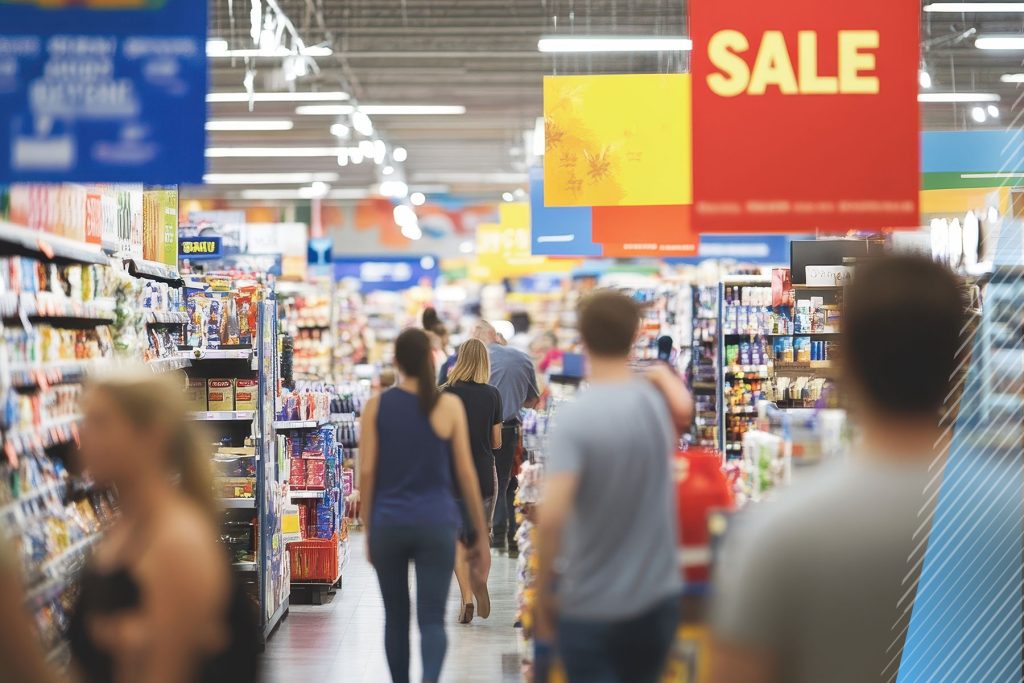
A steady flow of customers doesn’t just boost revenue – it builds brand awareness, strengthens customer loyalty, and creates a sense of community.
How to Increase Foot Traffic in a Grocery Store (and 5 Ways to Improve It)
Robust foot traffic is the foundation of every successful grocery store. Unlike online retailers, brick-and-mortar stores count on people walking through the doors to drive sales, stay profitable, and, for small-to-medium-sized stores, compete with the bigger brands. A steady flow of customers doesn’t just boost revenue – it builds brand awareness, strengthens customer loyalty, and creates a sense of community. But when foot traffic slows down, grocery stores can face serious financial challenges. That’s why it’s important to understand the impact of foot traffic and find smart ways to attract more customers to grocery stores.
Why Foot Traffic Matters
As the name suggests, foot traffic is the number of customers visiting a store or retail location and is a key metric in determining a store’s sales and revenue. The more customers that enter a store, the higher the sales. Many shoppers make impulse purchases while browsing the aisles, boosting overall revenue. In fact, impulse buying accounted for a whopping 62% of grocery sales revenue in 2024. Additionally, high foot traffic improves inventory turnover, reducing waste and ensuring that fresh products are always available.
Beyond sales, strong foot traffic enhances brand recognition and customer engagement. Regular visits allow stores to establish relationships with their community, leading to long-term customer loyalty. A busy store also creates a sense of trust – when potential customers see many others shopping in a store, they are more likely to see it as a high-quality retail option.
But just having a lot of people walk through the doors doesn’t automatically mean they’ll buy something. To turn visitors into loyal shoppers, stores need to offer the right products, create a welcoming atmosphere, and make the entire experience easy and hassle-free.
The Harsh Consequences of Low Foot Traffic
Low foot traffic presents serious challenges for grocery stores. Lower sales create cash flow issues, making it difficult to cover operating essentials like rent, utilities, and payroll. Over time, shrinking profit margins make it harder for struggling small-to-medium stores to survive. A near-empty store also affects customer perception, as shoppers may take their business elsewhere if a store appears unpopular.
Prolonged low traffic may force grocery stores to cut staff, reduce product selection, or even shut down completely. With online grocery services like Thrive, Amazon Whole Foods Market, Walmart+, and Imperfect Foods becoming dominant post-pandemic, smaller brick-and-mortar stores must come up with smart strategies to attract customers and thrive in today’s evolving retail landscape.
5 Tips on How to Drive Traffic to Your Grocery Store
Today’s increasingly competitive retail environment offers consumers many choices, so it’s more important than ever to devise ways to get people to walk through the doors. Increasing foot traffic and attracting new customers requires a combination of marketing savvy, customer engagement (both in-store and online), and today more than ever, technology. Here are several actionable ways to drive foot traffic into grocery stores:
1. Offer an omnichannel shopping experience
Omnichannel retail, a trend accelerated by the pandemic, is now essential for grocery retailers. It seamlessly blends digital (mobile, online) and physical (in-store) shopping, offering customers convenience and flexibility. An example of omnichannel retail is when a customer orders groceries online and then picks them up in-store. The omnichannel experience boosts sales, as omnichannel shoppers spend 15–30% more than single-channel buyers. And since 75% of customers visit stores they discover online, it drives significant foot traffic to physical stores.
2. Accept multiple forms of payment
Cash is no longer king in today’s retail environment, and customers now expect to be able to use various means of payment at checkout. This includes everything from ATM and credit cards, digital wallets like Apple Pay or PayPal, EBT/SNAP cards, or contactless payment. However, 60% of merchants say their payment technology cannot support the needs of mobile-first shoppers. Fortunately, CDE offers small-to-medium store owners easy, fast, and affordable solutions to payment processing challenges. Visit goEBT and CHEXIT to learn more.
3. Modernize your marketing
Boost foot traffic to your grocery store through smart digital marketing techniques. Leverage social media, influencers, email marketing campaigns, and targeted ads to showcase promotions, deals, events, and loyalty programs. Plus, a customer relationship management (CRM) system built into your POS system can automatically capture customer data, build detailed profiles, and create personalized email campaigns to better reach your targeted audience.
5. Create loyalty programs
Rewards programs are a proven way to keep customers coming back. Offer enticing perks like discounts, freebies, and exclusive deals to make repeat visits worthwhile. Consider a tiered system where customers unlock bigger rewards as they reach new milestones. Not only does this keep them motivated, but it also helps you identify and reward your most loyal shoppers in a meaningful way. QR codes placed on in-store displays make signing up even easier.
5. Streamline the checkout process
Consistently long checkout lines can frustrate customers enough to shop elsewhere. To keep things running smoothly, grocery stores can set up self-checkout kiosks, accept multiple payment options and the latest payment technology, utilize advanced POS systems, create express lanes for quick purchases, and properly train staff to efficiently scan items and process payments. By streamlining the checkout process, stores can cut wait times, enhance the shopping experience, and boost customer satisfaction and retention.
Hosting in-store events, creating a well-lit and aesthetically pleasing environment, setting up customer referral programs, and partnering with local businesses for cross-promotional opportunities are other proven ways to bring customers into your store.
Boosting grocery store foot traffic requires a mix of keeping customers engaged and motivated, optimizing the in-store experience, and leveraging technology. Implementing these strategies can drive higher sales, improve customer loyalty, and help your store thrive in today’s highly competitive retail marketplace.
From advanced POS systems to omnichannel payment enablement, goEBT offers solutions to overcome foot traffic challenges. Our innovative payment technology is designed to help small-to-medium-sized grocery stores modernize their business processes to better compete in today’s tech-driven retail world. Contact us today to learn more.