In today’s competitive grocery landscape, small and mid-sized stores must find creative ways to stay profitable without raising prices. One of the most effective strategies is to boost margins with value-added services—enhancements that improve the customer experience and drive loyalty. From smarter POS systems to personalized rewards programs and curbside pickup, these services help stores stand out, attract more shoppers, and ultimately increase profitability.
Profit margins are a key indicator of grocery retail success. But a harsh reality facing today’s small-to-mid-sized grocery and convenience stores is that profit margins are razor thin, typically between 1% to 3%. This means that a grocery store bringing in a weekly revenue of $20,000 will earn between $200 and $600 in profits. To compensate for such lean margins, grocery stores must rely on high sales volume and inventory turnover to compete and survive.
Several factors can affect profit margins for smaller grocery stores, including:
- Current economic conditions
- Supply chain volatility
- Operational costs (rent, utilities, and payroll)
- A store’s size and location, local competitors, and customers’ buying power
- Competition from larger brand supermarkets and online grocery services
And while many of these factors are out of grocers’ hands, they can still control and even enhance their ability to boost profit margins without raising prices. Even a small uptick in revenue can make a huge difference in the bottom line.
Of course, a logical solution would be to raise prices. While that can have the desired effect of bringing in more profits, it can also be a double-edged sword, as raising prices could cause existing customers to abandon your store in favor of the competition.
A better solution lies in adding value-added services (VAS) to your repertoire.
What Are Value-Added Services and Why Do They Matter?
Value-added services (VAS) are additional offerings that go beyond a business’ core product or services. The main purpose of VAS is to enhance the customer experience without increasing costs. It may take a one-time investment in POS equipment or upgrades to existing systems, but in the long run, it’s a commitment to future success that will pay for itself.
Simply put, VAS is a thoughtful enhancement that makes shopping easier or more enjoyable for customers. These value-added services can take many forms, like complimentary food samples or an app that lets customers order online for curbside or in-store pickup. Whether physical or digital, the common goal is clear: they deliver added value without added cost.
How Technology Can Enhance the Benefits of Value-Added Services
Value-added services enhance the customer experience by offering extra benefits beyond the core product or service, strengthening customer loyalty and retention. When customers feel they’re getting more, they’re more likely to return, building lasting relationships that benefit both customers and businesses. For small grocery stores, VAS can increase profit margins, strengthen brand loyalty, create new revenue streams, and build stronger community connections. By attracting more customers, VAS also boosts foot traffic and impulse purchases, which accounted for 62% of grocery sales revenue in 2024.
While VAS can help small retailers better compete with larger rivals, success depends on forward-thinking, innovation, and embracing technology. Those who adopt new technology can develop more advanced VAS strategies that elevate customer satisfaction, streamline operations, improve efficiency, and ultimately boost profits. By integrating digital solutions, automating processes, and analyzing customer data, small retailers can create personalized experiences that foster long-term loyalty.
How Technology Helps Boost Margins with Value-Added Services
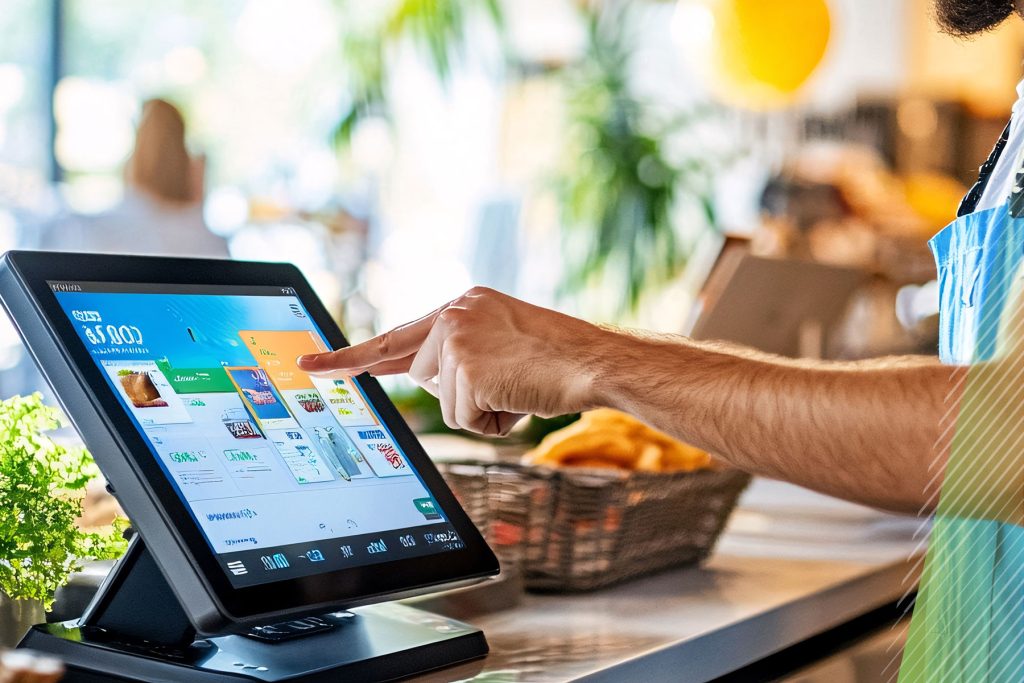
One key change small-to-medium-sized grocery stores can make to increase innovation and boost their VAS is to invest in the latest tech-driven point-of-sale (POS) system. This action alone can help with cost reduction, profit enhancement, advanced marketing opportunities, and overall business growth. It achieves this by streamlining the checkout process, simplifying inventory management, and providing valuable data and analytics.
Here are some of the most impactful VAS benefits that come from investing in a modern POS system:
Accepting multiple forms of payment
Today’s customers expect flexible, cashless payment options, from credit and debit cards to digital wallets and contactless payments. Modern POS systems simplify this by accepting multiple payment types on a single device, simplifying the process for smaller grocery retailers. Accepting SNAP EBT, Medicare and other forms of insurance, and other government-issued benefits cards is especially valuable for consumers in lower-income or rural areas and for retirees who depend on these cards to buy essentials. Providing these payment options is a value-added service that enhances convenience and attracts a broader customer base.
Leveraging Grocery Store Analytics
In today’s tech-driven retail world, a modern POS system is essential for tracking grocery store metrics and making data-driven decisions. By recording detailed transaction data such as purchased items, payment methods, and peak shopping times, analytics help identify trends, optimize inventory, and develop marketing strategies like personalized email campaigns tailored to customer preferences. Analytics also streamline operations, reduce inefficiencies, and detect fraud, all of which boost profitability.
Offering Personalized Loyalty Programs
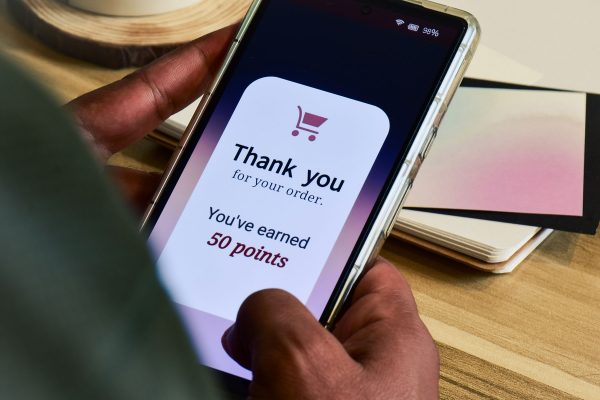
Loyalty programs are a retail staple, but personalization gleaned through customer analytics makes them even more impactful. While data privacy concerns persist, 80% of shoppers will share personal data for personalized deals or offers from loyalty programs. By leveraging customer data and purchase history, retailers can offer tailored rewards, exclusive discounts, and highly targeted promotions. Personalized loyalty programs are a win-win — customers enjoy a better experience while brands strengthen engagement and build lasting relationships with loyal customers.
Streamlining Dual Pricing Programs
Dual Pricing offer grocery stores substantial financial benefits. By encouraging customers to pay with cash, businesses can avoid credit card fees, which typically range from 2.25% to 4% per sale. A POS system streamlines cash discount programs by automatically calculating and applying the discount at checkout, ensuring accuracy and transparency by clearly reflecting the discount on receipts. This eliminates the need for manual calculations by staff while also providing valuable data to assess the program’s effectiveness.
Simple, Non-Tech Value-Added Services That Still Boost Margins
Of course, there are many other practical VAS techniques that will boost in-store traffic and profit margins, and some of them include:
- Host in-store events and demos
- Offer buy-online-pickup-in-store (BOPIS) or curbside pickup options
- Stock locally sourced products
- Offer ready-to-eat and grab-and-go food options
- Focus on sustainability
- Provide bundling specials
Upgrade Your POS to Unlock High-Impact Value-Added Services
In today’s fiercely competitive market, incorporating VAS can be a vital strategy for small businesses looking to succeed. That’s why embracing VAS strategies should be a top priority for small grocers looking to boost store margins and establish a competitive advantage.
Unsure of how to get started with upgrading your current POS system? CHEXIT, a brand of goEBT, offers POS solutions for small-to-medium-sized grocery retailers just like you. Contact us today to learn how we can help with all of your payment needs.