
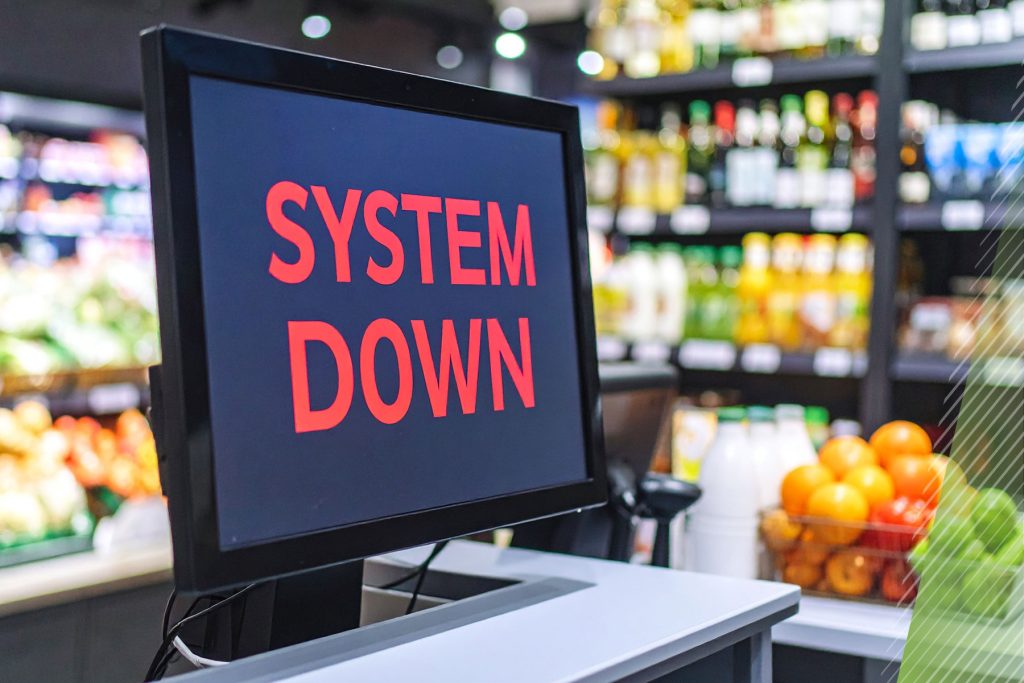
Many of the biggest challenges small retailers face today aren’t caused by market conditions alone, but by retail mistakes that go unnoticed in daily operations. Outdated technology, unclear processes, and skipped reviews can quietly erode profit and efficiency. As 2026 introduces new expectations around payments and compliance, addressing these retail mistakes proactively help businesses stay resilient and prepared for growth.
Running a small retail business has never been simple, but 2026 is shaping up to be especially demanding. New tech tools, customer expectations and rules around payments and data privacy are constantly evolving. Many retailers are adapting well, but plenty are still losing time, money, and customers to avoidable mistakes.
Here are the most common missteps small retailers are making this year—and what you can do instead.
Retail Mistake #1: Not Upgrading Point of Sale or Inventory Systems
Many retailers are still relying on aging systems that can’t keep up with how people shop today. Old Point of Sale (POS) hardware slows down checkout lines, doesn’t sync well with online orders, and often can’t support newer payment types (EBT, mobile wallets, FSA/HSA cards, etc.).
Outdated inventory tools cause even bigger headaches—missing stock counts, delayed reorders, and inaccurate sales data that affect everything from staffing to budgeting.
The financial impact sneaks up quietly: frequent manual fixes, more shrink, frustrated customers and staff wasting hours trying to work around limitations. The longer retailers hang onto these older systems, the more expensive they are to maintain.
What to do instead:
Choose POS hardware that connects inventory, payment processing, and reporting in one place. Look for systems that update automatically, support modern payment types, and offer clear data you can actually use. Even a modest upgrade can reduce checkout times, improve stock accuracy, and help you spot trends you’d otherwise miss.
Retail Mistake #2: Ignoring Compliance Changes
Compliance is changing fast—especially for stores that accept EBT, sell age-restricted items, or collect customer data. In 2026, states are tightening rules around SNAP transactions, ID verification, and recordkeeping. Payment networks are enforcing stricter standards, too. Small retailers often assume they’re already covered, only to learn later that a small oversight has led to fines, revoked permissions, or surprise audits.
Ignoring or postponing compliance updates is rarely intentional; most owners simply don’t have time to track every rule change. But falling behind has real costs.
What to do instead:
Set a simple monthly or quarterly routine to review payment rules and state requirements. Your POS vendor, merchant processor, or industry association can usually summarize updates in a digestible way—use those resources. When in doubt, document everything: accepted payments, refunds, voids, age-verification attempts, and training records.
Retail Mistake #3: Not Training Staff on Technology
New tools only help if your team knows how to use them. Many retailers invest in upgraded systems but then rush through training, leaving staff unsure how to troubleshoot issues, complete special transactions, or use built-in features that make their jobs easier.
The result is predictable: checkout delays, incorrect entries, frustrated customers, and employees who rely on guesswork. A tool that should save time ends up creating more problems than the old system.
What to do instead:
Make training part of the job—not a one-time event. Short, hands-on sessions work best, especially when paired with simple reference sheets for common tasks. When you introduce a new payment type or policy, train on that too. Encouraging staff to ask questions and give feedback will help you spot friction points early and fix them before they become real issues.
Retail Mistake #4: Poor Marketing Execution
Small retailers don’t need massive budgets to market effectively, but they do need consistency. Many lose out because they post only when they remember to, run ads without clear goals, or treat marketing as something to squeeze in “when things slow down.”
Another common issue: focusing only on new customers. In retail, returning shoppers often spend more and buy more often—but many stores overlook simple ways to stay connected with the people already walking through their doors.
What to do instead:
Start small and stay steady. Use a basic content calendar to plan a few posts per week, highlight new items, and share store updates. If you run ads, decide in advance what you want them to accomplish—foot traffic, online orders, repeat visits, or something else. Collect emails or phone numbers (with consent) and send occasional updates or offers. Even a low-effort, consistent approach can outperform sporadic bursts of activity.
Solutions and Action Steps
Avoiding these mistakes doesn’t require major spending. In most cases, it’s about tightening processes and using the tools you already have more effectively.
-
Map out the biggest time-wasters in your store.
Slow checkout lines, manual stock counts, and repeated staff questions are signals that your systems need attention. -
Choose upgrades that actually solve daily frustrations.
If EBT transactions often fail, prioritize a POS that handles them cleanly. If online and in-store stock don’t match, invest in better inventory syncing. -
Create a simple compliance checklist.
Cover payment rules, age restrictions, reporting, and staff training. Review it a few times a year. -
Build training into your schedule.
Ten minutes before opening or after closing can be enough to walk through a new feature or policy. -
Treat marketing as maintenance, not a special project.
Small, consistent efforts win—social posts, local partnerships, customer emails, and in-store signage all build trust and familiarity.
Small retailers aiming to succeed in 2026 and beyond must avoid these traps that slow growth and drain resources. With thoughtful planning, updated tools and steady habits, you can run a store that feels smoother for both your team and your customers—and far more profitable over the long run.
goEBT, a division of CDE payment solutions, helps small retailers modernize their checkout experience, stay compliant, and accept a wide range of payment types—including EBT—without adding complexity. If you’re ready to streamline operations and reduce the costly mistakes above, contact goEBT experts so they can help you build a setup that grows with your store.