
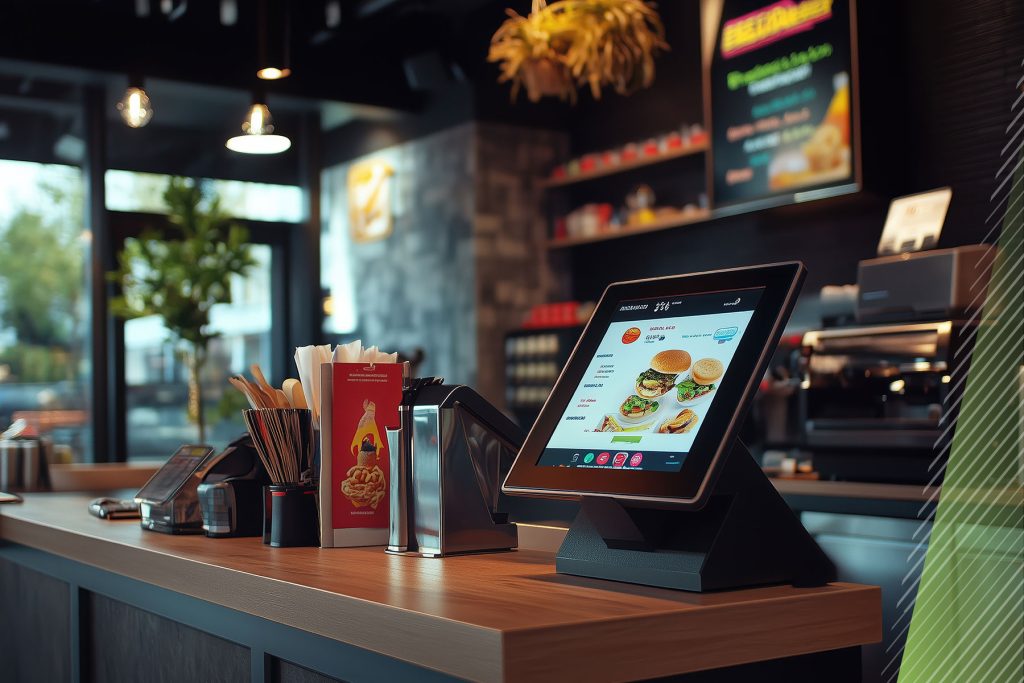
Understanding how to apply for a Restaurant Meal Program (RMP) can feel overwhelming, but the benefits make it worth the effort. The RMP allows eligible restaurants to accept EBT for hot meals, creating new opportunities to serve your communities. With the right steps, your restaurant can join and make a lasting effort.
Thanks to the Restaurant Meals Program, restaurants in select states can now serve hot meals to SNAP recipients who are elderly, disabled, or experiencing homelessness. For both quick-service and family-style establishments, this program opens the door to new customers and the chance to directly impact those in need — but how do you actually get approved for this program?
Let’s break it down.
Eligibility Criteria for RMP Authorization
First things first — this program isn’t available everywhere, and not every restaurant will qualify.
The RMP is a subset of the federal SNAP-EBT program, which primarily concerns itself with providing access to groceries and other store-bought essentials. This particular program is specifically designed to help SNAP recipients who don’t have access to a kitchen or the ability to cook for themselves — this group may include:
- Seniors who live alone or are housebound
- Individuals experiencing homelessness
- People with physical or mental disabilities
Unlike regular SNAP (which is handled through the USDA’s website), RMP is administered at the state level, meaning eligibility requirements and the steps to apply can vary depending on where you’re located. Some states, for example, may require discounted menu items or other conditions, such as franchise-level approval for multi-location restaurants.
There are currently nine states opting into and/or implementing the RMP:
- California (where the RMP is most widely-integrated)
- Arizona
- Illinois
- Maryland
- Massachusetts
- Michigan
- New York
- Rhode Island
- Virginia
How to Apply for Restaurant Meal Program Approval
Here’s where things get a little paperwork-heavy — don’t worry, we’ll walk you through it.
Step 1: Start with the State
Your first step in how to apply for a restaurant meal program is checking with your state agency. Each state has its own forms and requirements. Some are straightforward, while others (looking at you, California) get a little more in the weeds. For example, in California you’ll need to submit:
- A PSA form (which includes your owner information and can usually be e-signed), and
- An intake form for every store you want to enroll in the program
Other states may simply require a single Memorandum of Understanding (MOU). Once submitted and approved (which can take anywhere between 2 and 5 weeks) you’re cleared to move on to the next step — federal approval.
Step 2: Apply to the USDA
Once your state approves you, your next step in how to apply for a restaurant meal program involves submitting USDA Form 252-2, gather up your business licenses and permits, and mail the whole packet off to the USDA (yes, via snail mail). If everything is in order, you’ll receive a unique FNS number for each approved location (typically within 6 to 10 weeks).
Note: Most restaurants we’ve talked to require around 12 to 16 weeks to complete both the state and federal processes, contingent on each state’s and the USDA’s processing time.
Staying Compliant (and EBT-Ready)
To actually begin accepting EBT payments at your restaurant, you’ll also need the right systems in place. Many restaurant POS systems don’t support EBT yet, and while integrated solutions are ideal, they’re not always available. Most restaurants start with a separate, standalone EBT device to process payments. It’s not fancy, but it works — and you can always upgrade once better integrations become available.
Depending on your state, there may also be some specific menu requirements (like discounted pricing or special items for RMP customers) to keep your restaurant RMP-eligible. Make sure to read the fine print or ask your state contact for guidance.
Why It’s Worth the Effort
For many owners, investing in applying for a restaurant meal program pays off through higher revenue and stronger community ties. Yes, the application process takes time. And yes, it can feel like a lot of hoops to jump through. But the impact is real — and not just for your bottom line.
Customers who used to stop in every now and then might start coming by more regularly now that they can use their EBT card — and that kind of repeat business adds up fast. Participating restaurants often see a 3 to 5% lift in revenue, with some even reaching 10 to 20% of total sales coming from EBT transactions. The program can be a game changer in communities with high concentrations of SNAP recipients, and (most importantly) you’ll be helping people who need it most get a hot, affordable meal.
Is Applying for the Restaurant Meal Program Right for You?
Quick-service spots like Taco Bell or McDonald’s, family-style chains like Denny’s, and even local one-off restaurants in participating states can all benefit from joining the program. The best candidates are those local spots already in the habit of offering affordable meals and looking for new ways to support their community while growing their business.
If that sounds like you, don’t let the paperwork scare you off. With a little time and the right support, you can open up your restaurant to an entirely new source of loyal customers.
Ready to get started? Contact us today to learn more about how to apply for a restaurant meal program and equip your restaurant to accept EBT payments with ease.